The Role of Biofilm in Dental Health and Treatment


Intro
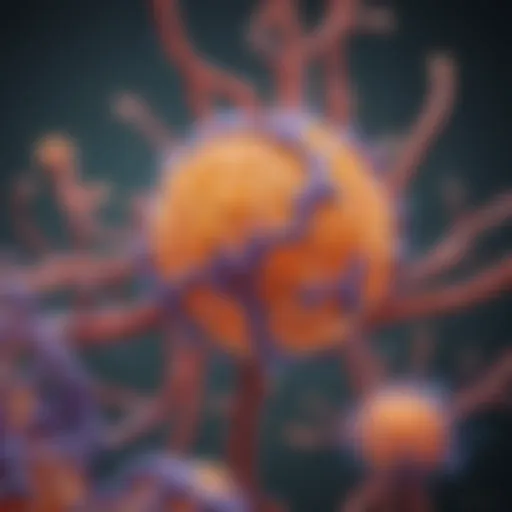
Biofilm is an intricate community of microorganisms that bond with each other on various surfaces. In dental settings, this formation has significant implications. On one side, biofilms are crucial players in oral health, while on the other, they contribute to the onset of various dental diseases. Understanding how biofilms develop and thrive in the mouth, as well as their interactions with host tissues, offers essential insights into maintaining oral health and developing effective treatment strategies.
When we think about dental biofilms, most might picture the fuzzy layer that forms on our teeth after a long day without brushing. But what lies beneath that seemingly harmless layer is a complex world of bacteria and other microorganisms, each vying for space and resources. The composition varies depending on numerous factors including diet, oral hygiene practices, and even the host's immune responses. Hence, this article delves deeper into the mechanisms of biofilm formation, its consequences on oral health, contemporary treatment approaches, and potential avenues for future research.
Research Methodology
Understanding the nature of biofilm in dental contexts requires a solid foundation in research methodology. The studies focused on this topic often utilize a blend of qualitative and quantitative approaches, aiming to detail the mechanics of biofilm formation and its impacts on dental health.
Description of Research Design and Approach
Most of the research pertaining to dental biofilm typically incorporates laboratory studies, clinical trials, and observational studies. For instance, laboratory studies can involve growing biofilm in vitro on dental materials to observe its growth patterns and resistance to treatments. Additionally, clinical studies observationally monitor patients' oral health and biofilm presence over time to draw correlations between biofilm composition and oral diseases.
Materials and Methods Used in the Study
Materials utilized in biofilm studies often include dental substrates, growth media, and molecular biology tools. Researchers may employ:
- Dental resin or enamel discs to serve as biofilm growth surfaces.
- Nutrient-rich broths to cultivate bacterial cultures.
- Molecular tools like PCR for identifying specific bacterial species within biofilms.
Understanding the composition and stages of biofilm development—initial adhesion, maturation, and dispersal—leads to crucial insights about the challenges faced when attempting to disrupt these communities.
Discussion and Interpretation
Research findings indicate that dental biofilms harbor a mix of microbial species, often dominated by Streptococcus mutans during the early stages. In comparison, maturation reveals a diverse ecosystem where other pathogens may thrive, leading to oral diseases such as caries and periodontal disease.
A significant insight as reflected in existing literature highlights that biofilm provides protective niches for pathogenic bacteria, complicating treatment methods.
In the context of existing literature, many researchers note that traditional mechanical cleaning methods, while effective at removing plaque, often fail to disrupt established biofilms sufficiently. This presents challenges not just for dental practitioners but also underscores the need for new treatment strategies that deviate from conventional approaches.
Implications for Future Research or Practical Applications
The implications of these findings are profound. Research must continue to explore innovative ways to combat biofilm-associated issues. Potential practical applications could include:
- Development of biofilm disruptors or anti-biofilm agents that target the extracellular matrix of biofilms.
- Improved patient education regarding effective oral hygiene practices that minimize biofilm formation.
- Deeper exploration into the role of the immune system in moderating biofilm development and susceptibility to dental diseases.
Looking to the future, it is crucial to integrate advanced techniques like bioinformatics and proteomics to better understand biofilm dynamics. Being aware of how biofilm communities change in response to treatments can shape practices aimed at improving oral health outcomes.
Preamble to Biofilms
Understanding biofilms is crucial as they have a significant presence in our daily lives, particularly in oral health. They consist of communities of microorganisms that attach themselves to surfaces and encapsulate themselves in a protective layer of extracellular polymeric substances. Dentally, biofilms can be found on teeth and gums, where they contribute to both health and disease. Delving into this topic reveals multifaceted aspects, from the mechanisms of formation to the challenges they pose for treatment options.
Definition of Biofilm
When we talk about biofilms, we refer to structured communities of bacteria and other microorganisms that stick to surfaces, embedded in a matrix-like substance they produce. This matrix is composed of polysaccharides, proteins, and other biological materials which not only offer structural support but also act as a shield against antimicrobial agents. Such a definition extends beyond just a gathering of microorganisms; it encapsulates their behavior, resilience, and interaction with the surrounding environment. In the dental context, this means that biofilms contribute to the formation of plaque, which can lead to significant health issues.
Historical Perspective
The concept of biofilms is not new. Historically, biofilms have been recognized as far back as the early studies of microbial life. Researchers first observed that bacteria could form aggregations on surfaces in the 19th century. Fascination grew as scientists, throughout the 20th century, established connections between these microbial communities and various maladies, notably in the dental field. Only as technology advanced, particularly with the advent of microscopy, could we appreciate the complexity and robust nature of biofilms. These microorganisms often thrive in their protective films, resisting traditional treatment approaches with a stubbornness that is both fascinating and alarming. Understanding this historical backdrop helps contextualize current research and advances in managing biofilms, underscoring their importance in dental practice.
Biofilms are not just clumps of bacteria; they signify a sophisticated level of organizational complexity within microbial communities.
The ongoing investigation into biofilms continues to reveal how deeply these entities influence oral health. Acknowledging their history and definition sets the stage for examining their formation, composition, and the challenges they present in dental care.
The Formation of Dental Biofilms
The formation of dental biofilms is a critical aspect of understanding oral health and the development of dental diseases. It involves several intricate stages, starting with the initial attachment of microorganisms to dental surfaces, followed by the development of a robust community encased within a protective extracellular matrix. This matrix not only safeguards the microorganisms from external threats but also facilitates their growth and differentiation. Understanding these processes is instrumental for dental professionals and researchers, as it opens avenues for effective treatment strategies, preventative measures, and further exploration into oral health.
Initial Attachment Mechanisms
The initial attachment of bacteria to the tooth surface is the first pivotal step in the formation of biofilms. This process is influenced by various factors, including the type of surface, the presence of pellicles, and the specific microbial species involved. When a tooth surface is cleaned, proteins from saliva quickly adhere to the surface, creating a pellicle layer. This layer is an essential attraction point for bacteria.


- Pellicle Formation: The oral environment quickly forms a pellicle, a thin protein layer on the enamel surface, which offers a complementary surface for microbial adhesion.
- Microbial Adhesion: Bacteria use specific adhesins to latch onto the pellicle. For example, Streptococcus sanguis has adhesins that bind effectively to the components of the pellicle.
This initial attachment is often referred to as a nonspecific adhesion or “brutal force,” as it emphasizes the physical and biochemical interactions that help bacteria get a foothold. Once these microorganisms are established, they begin to multiply and create a micro-colony. Here, it's vital to note that the adaptation of these microorganisms allows them to resist shear forces and consistently renew their population, setting the stage for full biofilm development.
Extracellular Matrix Development
As dental biofilms mature, they undergo a significant transformation, culminating in the formation of an extracellular matrix. This matrix is a vital component that contributes to the structural integrity of the biofilm and plays a critical role in protecting the embedded microorganisms from external factors such as antibiotics and immune responses.
- Matrix Composition: The matrix consists of polysaccharides, proteins, nucleic acids, and other substances secreted by the microbes themselves. These components help in stabilizing the biofilm and facilitating nutrient exchange among the microbial community.
- Function and Importance: The matrix acts as a barrier, providing a controlled environment for microbial growth. It also enables the bacteria to interact with one another and coordinate their activities through signaling molecules, a process known as quorum sensing.
The formation of a complex extracellular matrix is crucial because it determines the biofilm's properties, including its resistance to antimicrobial agents. Consequently, understanding these processes gives insights into potential treatment methodologies that can effectively disrupt or manage biofilm-associated diseases.
"Biofilms are not merely clusters of bacteria; they are sophisticated communities with their own unique properties and interdependencies."
In summary, comprehending the mechanisms underlying the formation of dental biofilms is vital for advancing our knowledge in dental health. By focusing on the initial attachment and the development of the extracellular matrix, we can better address the challenges posed by biofilm-related diseases and pave the way for innovative solutions.
Composition of Dental Biofilms
Understanding the composition of dental biofilms is crucial for grasping how they influence oral health. These complex structures are not just random clusters of bacteria; they represent a carefully organized community that thrives in the mouth, specifically on the tooth surface. Their composition is made up of microorganisms, extracellular substances, and components that provide insight into their pathogenicity and persistence.
Microbial Community Structure
Dental biofilms harbor a diverse assortment of bacteria, fungi, and sometimes even viruses. It's not just a single strain dominating the scene; rather, it's a melting pot where various species coexist and interact. Most commonly, the following groups form the bedrock of these biofilms:
- Streptococcus species: Known to initiate the biofilm formation, particularly Streptococcus mutans, which is famously tied to caries development.
- Actinomyces: They play roles in the formation of biofilms on tooth surfaces, aiding in the process of initial colonization.
- Veillonella: Thrives in the presence of acids produced by other bacteria, showcasing the interdependence within the biofilm community.
- Fusobacterium: Known for its role in periodontal diseases, showcasing how certain members of this community can lead to more significant health issues.
Important note: Each of these microorganisms does not merely exist independently; they communicate and share resources, which can enhance their survivability. This synergy complicates treatment efforts because disrupting one bacterium may inadvertently benefit another.
The composition can vary significantly based on individual factors such as diet, oral hygiene habits, and systemic health conditions. The complexity of these communities represents a meta-organism, continuously evolving to adapt to environmental changes within the oral cavity. Understanding these compositions helps researchers and healthcare professionals recognize patterns linked to diseases and devise targeted treatment strategies.
Role of Saliva and Nutrient Availability
Saliva plays an underappreciated yet indispensable role in biofilm development and maintenance. Containing proteins, enzymes, and essential nutrients, saliva provides an ideal environment for microbial communities to thrive. Key points regarding saliva's impact include:
- Nutrient Supply: Saliva delivers vital substances like glucose and amino acids, which are necessary for bacterial growth. This nutrient-rich fluid directly influences the composition of biofilms.
- Antimicrobial Properties: Certain components of saliva, like immunoglobulins and enzymes, can suppress some oral bacteria while promoting others, thus shaping the overall microbial community.
- pH Regulation: The buffering capacity of saliva helps in maintaining a neutral pH, essential for keeping harmful bacteria in check and slowing down demineralization of enamel.
- Physical Conditioning: Saliva forms a pellicle on the tooth surface, serving as a foundation for biofilm attachment, thus initiating the ecological stage where specific bacteria can anchor and proliferate.
In summary, the composition of dental biofilms is multifaceted, driven by the unique frameworks set up by microbial communities and modulated heavily by saliva and nutrient availability. A thorough understanding of this composition not only sheds light on the complexities of biofilms but also paves the way for better management strategies in dentistry and oral health.
Pathogenic Implications of Biofilms
The concept of biofilms is crucial in understanding various dental diseases. These thickened layers of microorganisms can contribute significantly to oral health issues, fostering an environment where harmful bacteria can thrive. The implications are not just limited to cavities; they stretch into a variety of health concerns that professionals and researchers must pay attention to.
Dental Caries Development
Dental caries, more commonly known as cavities, is one of the primary outcomes of biofilm development in the oral cavity. When plaque—a dense biofilm—accumulates on teeth, it creates a favorable environment for the fermentation of sugars. The byproducts of this fermentation, primarily acids, lead to demineralization of tooth enamel. It's a sneaky process, as the very thing that helps our mouth stay clean can turn detrimental if not managed properly.
Key points in caries development include:
- pH Changes: The acidic environment created by cariogenic bacteria can shift the pH levels in the mouth, making enamel more vulnerable to decay.
- Bacterial Diversity: A high diversity of oral bacteria correlates with increased cavity risk. For instance, Streptococcus mutans plays a pivotal role in caries formation through its ability to produce acid.
The biofilm can be both a player and a victim; as it matures, more complex interactions occur, ultimately sustaining a community that thrives on sugars. Disruption of this biofilm is vital to prevent carious lesions.
Periodontal Disease Associations
Periodontal disease is another direct consequence of biofilm presence in the oral microbiome. This condition often presents in two stages: gingivitis and periodontitis. In gingivitis, the gums become inflamed due to the accumulation of plaque. If not effectively managed, it advances to periodontitis, involving deeper tissues and ultimately leading to tooth loss.
Important indicators of periodontal disease include:
- Pocket Depth: Increased pocket depth around teeth often indicates the presence of pathogenic biofilms beneath the gum line.
- Tissue Attachment Loss: The body’s immune response to biofilms and toxins results in the breakdown of tissues that hold teeth in place.
Biofilm management is crucial here. Maintaining oral hygiene can help disrupt these harmful communities, preventing gingival inflammation and associated complications.
Systemic Health Connections


Recent research has begun to unravel the links between oral biofilms and systemic health. The mouth often serves as a gateway for bacteria to enter the bloodstream, potentially leading to severe health issues. For instance, individuals with chronic periodontal disease have shown higher rates of systemic conditions such as heart disease and diabetes.
Connections to systemic health can be outlined as follows:
- Bacteria in the Blood: Pathogenic biofilm bacteria can shed into the bloodstream during activities such as chewing, thus leading to infections in distant sites.
- Inflammation Indicators: Inflammatory markers found in periodontal disease also correlate with systemic inflammatory responses, showcasing a potential pathway to broader health concerns.
"Effective management of oral biofilms is paramount not only for oral health but also for general well-being."
Challenges in Biofilm Management
Biofilms in dental settings present numerous challenges that demand attention from professionals in the field. Understanding these challenges is crucial, as they can significantly influence treatment efficacy and patient outcomes. Managing biofilms effectively is not merely a routine task; it entails addressing specific multifaceted issues such as resistance to antimicrobial agents and the tendency for recolonization after treatment. Each of these areas brings its own complexities, making it essential to develop targeted strategies for disruption and prevention.
Resistance to Antimicrobial Agents
One of the most pressing challenges in managing dental biofilms is their well-documented resistance to antimicrobial agents. Unlike their planktonic counterparts, biofilm-associated bacteria exhibit a unique lifestyle that confers heightened resilience. They are encased in an extracellular matrix, which not only protects them from environmental stressors but also from the assault of antimicrobial substances.
The principles of selective pressure are evident here. When exposed to antibiotics, some bacteria may survive due to mutations or the acquisition of resistance genes from neighboring cells. This resistance is not a trivial nuisance; it's a serious obstacle. The inability of antimicrobial agents to penetrate fully into the biofilm can lead to treatment failures, exacerbating conditions like periodontal disease.
- Adaptive Mechanisms: The biofilm matrix can hinder the diffusion of antimicrobial agents, allowing bacteria to thrive even in the presence of treatment.
- Communal Defense: Bacteria within biofilms communicate through signaling molecules, sharing resistance traits and enhancing survival rates.
Addressing this resistance requires innovative approaches. Potential solutions may include refining existing antimicrobial approaches, utilizing higher concentrations selectively, or integrating adjunct therapies that can breach their defenses. The search for alternatives, such as bacteriophage therapy and strategies aimed at disrupting the biofilm matrix, is gaining traction, highlighting the need for constant adaptation in our arsenal against these resilient communities.
Recolonization After Treatment
Even when biofilm management strategies succeed in disrupting established colonies, the risk of recolonization poses a significant hurdle. Following antimicrobial treatment, the oral environment often becomes a breeding ground for re-establishing biofilms shortly thereafter. The challenge lies in understanding why this occurs and how to combat it effectively.
The phenomenon of recolonization can be attributed to several factors:
- Residual Microbial Populations: Even after treatment, some bacteria may survive and quickly re-establish themselves.
- Environmental Conditions: The mouth's diverse ecosystem, filled with nutrients and suitable niches, provides an ideal setting for rapid regeneration of biofilms.
- Patient Compliance: In many cases, incomplete follow-through on maintenance regimen can increase the likelihood of relapse into harmful biofilm formation.
To mitigate recolonization, long-term management strategies must be implemented. Regular follow-ups, patient education on oral hygiene practices, and perhaps the incorporation of probiotics to outcompete pathogenic bacteria hold promise in combating this issue. All these strategies are vital for ensuring that after the initial treatment, the oral cavity remains as free from harmful biofilm activity as possible.
"Effective management of biofilms is not a one-time event; it’s an ongoing commitment to maintaining oral health in a complex and dynamic environment."
By comprehensively understanding these challenges, dental professionals are better prepared to devise effective, tailored strategies to manage biofilms. This approach ultimately leads to improved oral health outcomes for patients while contributing to ongoing research in this evolving field.
Strategies for Disrupting Biofilms
Disrupting biofilms in dental contexts presents a valuable pathway to improving oral health outcomes. These structured communities of microorganisms are resilient and adaptive, complicating treatment strategies. Understanding how to effectively manage and disrupt these biofilm formations is not only essential for dental hygiene but also crucial for preventing oral diseases such as caries and periodontal issues. The strategies employed can broadly be categorized into mechanical and chemical approaches, each offering distinct benefits depending on the specific clinical scenario.
Mechanical Removal Techniques
Mechanical removal methods serve as a first-line defense against biofilms, especially in dental settings. These techniques rely on physical actions to detach biofilm layers from tooth surfaces, thereby reducing the bacterial load. Common methods include:
- Toothbrushes and Dental Scrapers: Regular brushing with an effective toothbrush, combined with electrically powered options, eliminates plaque biofilms stuck on enamel surfaces. The bristles in these tools help disrupt the initial attachment of microbes.
- Ultrasonic Scalers: These devices utilize high-frequency sound waves to vibrate water, creating micro-bubbles that collapse and exert shear forces on biofilms. Implementing ultrasonic scaling can enhance the mechanical disruption of biofilm, especially in periodontal therapy.
- Air Abrasion: This method propels fine particles of aluminum oxide against teeth to abrade biofilms. It is often used in combination with other techniques, offering speed and efficiency in biofilm removal.
"Mechanical techniques illustrate how sometimes the simplest actions, like brushing, can play a significant role in combating biofilm formation."
It’s vital for dental professionals to emphasize the importance of consistent oral hygiene practices to their patients. Without these regular mechanical cleaning methods, biofilms can quickly reform, leading to a continuous cycle of dental issues.
Chemical Approaches
While mechanical techniques serve as a foundation for biofilm disruption, chemical approaches can complement these efforts by targeting microbial cells and their protective structures. Various chemical agents are known to disrupt or dissolve biofilms, enhancing the efficacy of both preventive and therapeutic strategies:
- Antimicrobial Solutions: Chlorhexidine and cetylpyridinium chloride are examples of broad-spectrum antimicrobials that can penetrate biofilm layers. These agents can reduce bacterial viability within biofilms, thereby contributing to better outcomes in treating oral diseases.
- Enzymatic Agents: Certain enzymes, such as amylases and proteases, break down the extracellular matrix of biofilms. Using these specific enzymes can be particularly effective as they can selectively impair the biofilm’s defenses, facilitating easier removal through mechanical means.
- pH Modifiers: Adjusting the local pH can also affect biofilm stability. Acidic or basic environments can disrupt the metabolic functions and structural integrity of biofilm-forming bacteria, making them more susceptible to further treatments.
When considering chemical approaches, it’s essential to evaluate potential adverse effects on the surrounding tissues and overall oral microbiome. A balanced approach that minimizes the negative impact on beneficial microbes is key.
Innovative Research Approaches
In the quest to comprehend biofilms within the dental field, the exploration of innovative research approaches has gained unprecedented traction. These strategies are pivotal not only for enhancing our understanding of biofilm dynamics but also for developing effective methods of managing these complex microbial communities. By embracing cutting-edge techniques, researchers can delve into previously uncharted territories, unearthing solutions that could one day transform dental practices and improve oral health outcomes.
Nanotechnology in Biofilm Disruption


Nanotechnology has emerged as a fascinating frontier in dental research, particularly concerning the disruption of biofilms. This technology operates on an incredibly small scale—dealing with materials on the order of nanometers—to deliver precise interventions that traditional methods may overlook.
One of the chief benefits of using nanotechnology is its ability to target biofilms at a microscopic level. This means that therapies can be tailored to effectively reach and penetrate the protective extracellular matrix that surrounds these biofilm communities. From silver nanoparticles that exhibit antimicrobial properties to nanocarriers that enhance the delivery of drugs, the applications are both diverse and promising.
For instance, research has shown that silver nanoparticles can attack the biofilm's structural integrity, rendering harmful pathogens more susceptible to treatment. This could revolutionize how dental practitioners approach not just biofilm-associated diseases but also general oral health care practices.
"The harnessing of nanotechnology could lead to breakthroughs in dental treatment efficiency and effectiveness, allowing us to tackle persistent biofilms with renewed vigor."
Considerations do arise, though. There's a need for thorough assessment of biocompatibility and potential toxicity of nanomaterials used in dental applications. It's one thing to introduce a technique that shows promise in the lab, and quite another to validate its safety and efficacy in real-world clinical settings.
Use of Probiotics in Oral Health
Another intriguing avenue in innovative research is the use of probiotics for enhancing oral health. This involves incorporating beneficial bacteria into dental treatments, aiming to restore a healthy balance in the oral microbiome. Probiotics can outcompete harmful strains responsible for various dental issues, including caries and periodontal disease.
The efficacy of probiotics lies in their ability to colonize the oral cavity, potentially reducing the overall prevalence and activity of pathogenic bacteria. For example, certain strains of Lactobacillus and Streptococcus have shown promise in inhibiting the growth of specific oral pathogens while promoting health.
Moreover, probiotics could serve dual purposes—reinforcing healthy oral flora while also reducing biofilm formation. By introducing these beneficial microorganisms, we can potentially disrupt the dynamics of biofilm development in a favorable direction.
However, while the initial findings are encouraging, more extensive clinical trials are needed to validate these benefits and ascertain the best probiotic strains for various applications in dentistry.
In essence, the exploration of innovative research approaches, whether through nanotechnology or probiotic utilization, represents a crucial step in addressing the challenges posed by dental biofilms. Both strategies hold the potential to redefine our understanding of biofilms and pave the way for more effective treatments in the future.
Future Perspectives in Dental Biofilm Research
The examination of biofilms in dental settings is an evolving field, shifting continuously as new discoveries emerge. Exploring the future of biofilm research is crucial, not just for enhancing our understanding of dental diseases, but also for improving treatment strategies that can substantially aid oral health. By grasping the unique dynamics and challenges posed by these microbial communities, researchers and dental professionals can devise novel solutions tailored for effective biofilm management.
Emerging Technologies
Innovations in technology have the potential to reshape how we study and combat biofilms. For instance, advanced imaging techniques like confocal laser scanning microscopy can now visualize biofilms in real-time. This means researchers can observe the interactions between different bacterial species within the biofilm, gaining insight into their survival strategies and cooperative behavior.
Moreover, the rise of genomic and metagenomic sequencing allows for a deeper understanding of the complex microbial communities making up dental biofilms. With this knowledge, it is possible to identify specific pathogens and tailor treatments that disrupt their survival without harming beneficial bacteria. This is critical for safeguarding overall oral health.
The application of machine learning algorithms may also soon come into play, analyzing vast amounts of data from biofilm studies to predict patterns and help design targeted interventions. As we harness these tools, the goal is to create a more proactive approach to managing dental biofilms, rather than a reactive one. The implications for patient care are significant; more precise diagnostics could lead to interventions that are far less invasive and more effective.
Long-term Environmental Impacts
Another area of interest is the long-term environmental ramifications of biofilm formation within the oral cavity. Biofilms are not static; they evolve based on changes in the oral ecosystem, which can occur due to diet, hygiene practices, and overall health. As we delve into the future of dental biofilm research, it's crucial to understand how lifestyle factors over time affect the stability and composition of these biofilms.
Ongoing studies are uncovering that even slight changes in salivary composition or fluctuations in pH can lead to significant shifts in biofilm structure and functionality. This knowledge could influence dietary recommendations and oral hygiene practices on a broader scale. Positive implications might include the development of dietary guidelines that help prevent the formation of harmful biofilms, as well as personalized oral care products designed to cater to individual microbial profiles.
Understanding these dynamics also offers the potential for addressing systemic health issues that can arise from oral biofilms. Future research could illuminate connections between dental biofilms and conditions like diabetes or cardiovascular disease, informing integrated care practices that encompass both oral and systemic health.
"With continued research, we can unlock the complexities of oral biofilms, leading to innovative solutions with lasting positive impacts on public health."
As we look toward advancing our practices, nurturing collaborations among dental professionals, microbiologists, and materials scientists can foster breakthroughs. Embracing these future perspectives in biofilm research not only highlights their significance in combating oral diseases but also underscores the larger narrative of health and wellness in the interconnected web of human biology.
Culmination
In sum, understanding biofilms in dental contexts serves as a fundamental cornerstone in the field of oral health. This intricate subject weaves through various aspects, from microbial interactions to treatment implications, birthing a complex narrative that demands our attention. One cannot dismiss the importance of biofilmm management; these structures play a pivotal role in the emergence of dental afflictions, particularly dental caries and periodontal diseases.
Summary of Key Points
The exploration of biofilms illustrates the following crucial elements:
- Formation Mechanisms: From initial bacterial attachment to the creation of the extracellular matrix, biofilm development involves distinct steps that underline its resilience.
- Composition and Environment: The diverse microbial community structure, influenced significantly by saliva and nutrient availability, showcases biofilms as dynamic entities.
- Pathogenic Roles: The relationship between biofilms and diseases like dental caries and periodontitis highlights the potential threats to systemic health as well.
- Management Challenges: The persistent nature of biofilms complicates treatment strategies. Their ability to resist antimicrobials and recolonize poses ongoing challenges in dental practice.
- Innovative Strategies: Research into nanotechnology and probiotics provides promising avenues for disrupting biofilms, pushing the field towards more effective treatment methods.
Call for Continued Research
Fostering ongoing research in this domain is not merely beneficial; it's imperative. As we delve deeper into biofilm dynamics, new technologies and approaches will likely emerge, enriching our understanding. Healthcare providers must remain vigilant and proactive, employing established knowledge while also advocating for innovative studies. Enhancing interdisciplinary collaboration among researchers, dental practitioners, and public health officials will enable more significant advancements in biofilm management.
Moreover, as environmental factors play a crucial role in biofilm formation, long-term studies examining the impact of lifestyle and oral hygiene practices on biofilm dynamics can provide invaluable insights. Ultimately, continuous research endeavors will forge new pathways in dental biofilm mitigation, ensuring not just the health of teeth but the holistic well-being of patients.
"The greatest threat to our planet is the belief that someone else will save it." - Robert Swan
For more resources, consider checking:
This foundation, built on research and reflective practice, aims to turn the tide on dental biofilms for the future.