
Understanding Giant Cell Granuloma: Cancer or Not?
Intro
Giant cell granuloma (GCG) is a term that often pops up in discussions related to pathological growths, especially among educators and health professionals. It's a bit of a misnomer that conjures images of malignant behavior, yet it stands as a significant entity in the spectrum of benign lesions. Its very nature raises a collage of queries associated with its origins, classification, and implications for treatment.
This article embarks on a journey through the nuances of giant cell granuloma, focusing on the critical distinctions that separate it from cancerous formations. Its histopathological characteristics, often misinterpreted, warrant careful exposition. The insights gleaned will be drawn from a systematic review of clinical data and the interpretations lodged in existing literature. Thus, anyone delving into this topic—from students pouring over textbooks to seasoned researchers evaluating case studies—will find a well-rounded perspective on GCG, empowering them with knowledge essential for informed medical practice and education.
Preface to Giant Cell Granuloma
Giant cell granuloma (GCG) is a fascinating subject, particularly vital for medical students and professionals in pathology. Understanding this condition is crucial because GCG often gets mistaken for more severe conditions, including cancer. Such misconceptions can lead to unnecessary stress for patients and may complicate treatment strategies.
The significance of GCG extends beyond its clinical implications. Exploring this phenomenon untangles the underlying biological processes and reveals how clinicians differentiate it from other lesions. This knowledge fosters better diagnostic accuracy, ensuring that patients receive appropriate care without fear of a cancer diagnosis when it is unfounded.
Defining Giant Cell Granuloma
Giant cell granuloma is a benign tumor-like lesion that primarily occurs in the jaw and other areas of the body. It comprises multinucleated giant cells, hence the name. These cells arise from the fusion of macrophages and are a hallmark feature of inflammatory responses. Although GCG can resemble other tumors, including giant cell tumors of bone, it remains non-cancerous.
The two main types are central and peripheral giant cell granulomas. Central GCG typically develops within the bone and may expand the cortical bone, while peripheral GCG occurs on the gum tissue and oral cavity. Symptoms often include swelling, pain, or a noticeable bump, but they vary greatly between individuals.
Historical Context
The understanding of giant cell granuloma has evolved considerably since it was first documented. Early descriptions date back to the late 19th century when pathologists primarily identified them in the jawbone. Initially, the term itself, granuloma, was categorized with inflammatory conditions that were poorly understood. Researchers later recognized that GCG is distinctly different from malignant neoplasms, yet its precise classification remained a topic of debate for years.
Throughout the 20th century, advancements in histopathological techniques and immunohistochemistry have illuminated the unique characteristics of GCG. This development was pivotal; it shifted the understanding from viewing GCG as merely a byproduct of infection or injury to recognizing it as a condition that warrants targeted diagnosis and treatment, thus sparking considerable research in diagnostics and therapeutic approaches.
"The progression of understanding often relies on the clarity of definitions and the historical context, both of which have shaped the modern view of giant cell granuloma."
By appreciating the historical significance and evolving definitions of GCG, medical professionals can better approach case studies, formulate treatment decisions, and communicate effectively with patients, dispelling the fog of confusion surrounding misdiagnoses.
Pathophysiology of Giant Cell Granuloma
The pathophysiology of giant cell granuloma (GCG) is a critical aspect of understanding this condition. Much more than just a diagnostic label, this section explores the cellular underpinnings and immune mechanisms involved in GCG. Knowledge about the pathophysiology offers insights relevant for treatment, diagnosis, and management, important both for clinicians and researchers.
Cellular Composition
At the heart of GCG's pathophysiology is its unique cellular composition. GCG predominantly features multinucleated giant cells. These cells arise from fusion of mononuclear macrophages, a key type of immune cell. Additionally, activated fibroblasts and lymphocytes are also present, contributing to a distinctive inflammatory environment.
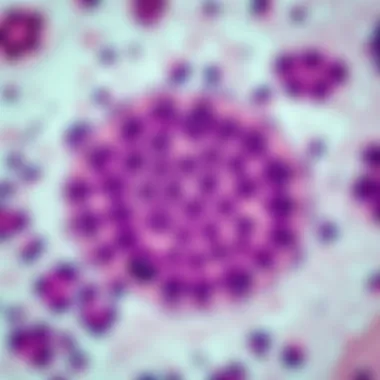
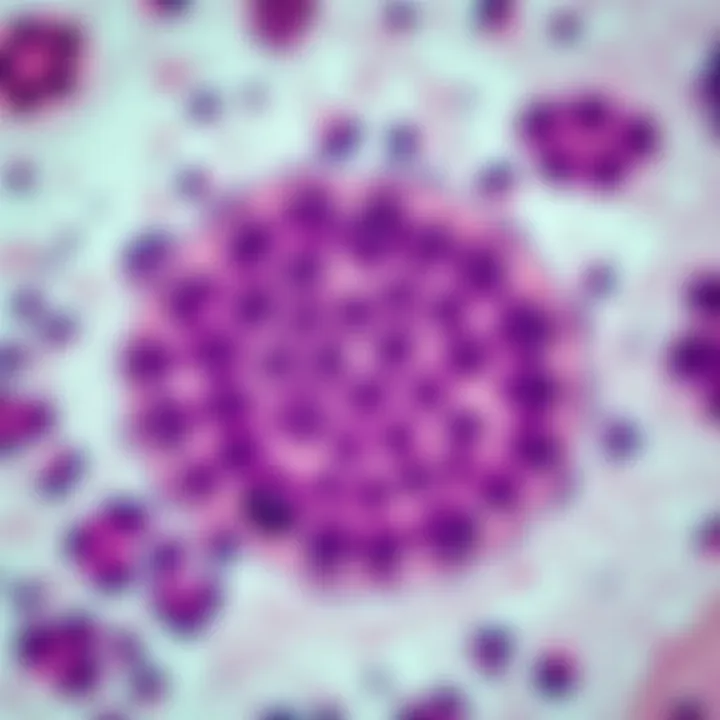
When examined under the microscope, GCG samples reveal a peculiar arrangement. You’ll typically find a connective tissue stroma that’s rich in blood vessels, surrounded by these giant cells. Think of it as a bustling worker's hive. The fibroblasts are akin to construction workers, while the giant cells are akin to managers, regulating the immune response in injury or inflammation.
The notable feature is that these cells are not malignant. They reflect a robust response to irritation or trauma rather than a precursor to cancer. This point often gets lost in translation when discussing the nature of GCG, leading to misconceptions.
Immune Response Mechanisms
Delving further, one will note that GCG acts as a manifestation of the immune system’s response to some trigger which can be local irritation, trauma, or even systemic factors. The inflammatory cascade can be complex, yet understanding this mechanism sheds light on why some individuals develop GCG while others do not.
When the immune system senses damage or foreign materials, it sets off an alarm, mobilizing immune cells to the area of concern. In the case of GCG, this means more macrophages flood into the area. Once they arrive, they can sometimes go awry, leading to excessive fusion and thus the formation of those multinucleated giant cells. It’s a bit like throwing too many ingredients into a pot and stirring vigorously – you end up with a different kind of stew.
This immune response not only helps in addressing the immediate issue but can lead to the characteristic growth found in GCG. The persistence of these cells can catalyze ongoing inflammation, making the situation prolonged and possibly resulting in recurrence even after treatment. Therefore, understanding this immune mechanism is crucial – it’s not just about treating the symptom; it’s about understanding the underlying cause to address the very root of the problem.
In summary, the pathophysiology of giant cell granuloma revolves around its unique cellular constitution and the mechanisms of immune response. By appreciating these foundations, healthcare professionals can tailor more effective strategies for intervention. Consider it an essential building block for grasping GCG and its management.
"Pathophysiological insights can direct more tailored treatments and enable better patient outcomes"
For those looking to dig deeper, I recommend resources like Britannica or relevant publications available in medical journals available through PubMed for a more thorough understanding.
Clinical Presentation
In the study of giant cell granuloma (GCG), understanding clinical presentation is paramount. This aspect involves recognizing the symptoms that typically accompany GCG, as well as identifying where these lesions commonly manifest within the body. Insight into clinical presentation provides healthcare professionals and patients alike with valuable knowledge that supports timely diagnosis and management.
The clinical features of GCG often go hand in hand with its diagnosis. Without proper identification of signs and symptoms, the risk of misdiagnosis persists, potentially steering the course of treatment in the wrong direction. Moreover, exploring this subject enables practitioners to differentiate GCG from other pathologies that may present similarly, thus affecting treatment decisions and outcomes.
Symptoms and Signs
When we speak of symptoms associated with giant cell granuloma, we find that they can sometimes be subtle, yet significant. The most common presenting symptom is a prominent swelling in the affected area. This swelling can vary in size and may be painless, especially in early stages. However, discomfort often arises if the lesion's expansion applies pressure on neighboring structures. Readers should be aware of a few characteristic signs:
- Swelling: Most noticeable in areas like the jaw or the hands. This can lead patients to mistakenly believe they are dealing with a more critical issue.
- Color Changes: Lesions may exhibit a reddish or purplish hue, particularly when inflamed.
- Mobility: Depending on its location, the lesion may impede mobility or function, for example in a finger or oral cavity.
- Local Symptoms: Some patients might experience mild discomfort or tenderness in the affected region.
These signs, while indicative of GCG, may overlap with those of other lesions. Therefore, a detailed history and clinical examination are crucial in establishing the correct diagnosis.
Common Locations
Giant cell granuloma tends to favor certain anatomical regions. Indeed, the common locations where GCG is found include:
- Mandibular Region: Often where these lesions are first identified due to their prominence.
- Maxillary Gingiva: Another frequent site, usually manifesting as growths in the gum tissue.
- Long Bones: Can occur as well, primarily affecting the metaphyseal area where the bone marrow resides.
- Hands and Feet: Although less common, GCG can appear on the digits, impacting mobility and function.
Recognizing these locations aids the physician in formulating a differential diagnosis, ensuring a more targeted approach to treatment planning. GCG often manifests in younger individuals, particularly women, which adds an additional dimension to clinical presentation, warranting consideration of biological and hormonal factors at play.
Differential Diagnosis
Differential diagnosis is a cornerstone in clinical practice, especially in complex cases involving lesions such as giant cell granuloma (GCG). Understanding the nuances between GCG and other similar conditions is critical for accurate diagnosis and effective treatment. Misdiagnosing GCG can lead to inappropriate management strategies, either putting patients at risk for unnecessary procedures or delaying proper care.
Giant Cell Tumor vs. Granuloma


The distinctions between giant cell tumors and giant cell granulomas are pivotal. Both conditions share common histological features, characterized by the presence of multinucleated giant cells; however, their clinical significance and treatment approaches diverge significantly.
Giant cell tumors, often arising around the knee joint, are considered aggressive and may metastasize. Contrarily, giant cell granulomas tend to be benign, primarily affecting the jaws and the long bones. Clinicians need to utilize imaging techniques, such as X-rays or MRIs, combined with a thorough physical examination to accurately differentiate between these two entities.
Key distinguishing factors include:
- Location: While giant cell tumors frequently occur in the epiphyseal regions of long bones, giant cell granulomas are more common in jaw areas and soft tissues.
- Age of Onset: Giant cell tumors typically manifest in adults aged 20-40, whereas giant cell granulomas can be observed in a broader age range, including children and adolescents.
- Behavioral Aspects: Giant cell tumors are known for their aggressive nature and potential for recurrence, unlike the more indolent nature of giant cell granulomas.
In clinical practice, a biopsy is often warranted to clarify the pathology, especially when atypical features are presented. The management may shift significantly based on a confirmed diagnosis.
Malignant Neoplasms Considerations
When assessing a lesion suspected to be GCG, it is crucial to consider the possibility of malignant neoplasms. Several cancers can manifest similarly to GCG, which may create confusion during diagnosis. The overlap in presentations requires careful evaluation of patient history, imaging studies, and histopathological analyses.
Common malignant entities that must be distinguished from GCG include:
- Osteosarcoma: This aggressive bone cancer is often characterized by localized pain and swelling, necessitating a high degree of suspicion, especially in young adults.
- Ewing Sarcoma: Known to affect children and adolescents, it presents with systemic symptoms like fever, necessitating an understanding that not all bone lesions are benign.
- Lymphoma: This can sometimes present in soft tissue areas and requires careful exclusion through immunohistochemistry tests.
To achieve accurate differentiation, clinicians often rely on detailed imaging findings and laboratory investigations. They may utilize different staining techniques, including immunohistochemical markers, to pinpoint the exact nature of the lesion, which ultimately informs the management plan.
Misdiagnosis can lead to failure in treatment and significant patient distress, emphasizing the need for meticulous attention to detail in differential diagnosis.
In summary, differentiating giant cell granuloma from other lesions—be it benign tumors or malignant neoplasms—holds significant implications for clinical outcomes. A well-rounded approach encompassing clinical judgment, advanced imaging, and histopathological correlation remains essential for optimal patient management.
Histopathological Features
The investigation of histopathological features is pivotal in understanding giant cell granuloma (GCG), as it reflects the underlying biological behaviors and responses of the tissue. A thorough grasp of these unique characteristics is essential for clinicians and researchers alike since they assist in delineating GCG from other more malignant entities. Recognizing these histopathological aspects not only aids in diagnosis but also informs treatment approaches, ultimately benefiting patient outcomes.
Microscopic Examination
Microscopic examination serves as the cornerstone of diagnosing giant cell granuloma. When pathologists dive into the tissue specimens under a microscope, it becomes evident that the granuloma is made up of a rich tapestry of cellular elements. You’ll often spot multinucleated giant cells, which are a hallmark of this condition. They arise from the fusion of macrophages in response to chronic inflammation.
The presence of these giant cells alongside lymphocytes and plasma cells paints a distinctive picture of the immune response at play. Moreover, the inflammatory infiltrate often appears in a geographic distribution, forming scattered clusters throughout the lesion. One major thing that sets GCG apart is the observation of a hemorrhagic background, indicating some degree of tissue damage and repair, something not commonly found in malignant tumors. This chaotic yet organized cellular behavior signifies not only an active immune response but also offers clues about the chronic nature of GCG, which might be overlooked if not for microscopic scrutiny.
Immunohistochemical Markers
Delving into immunohistochemical markers provides insights that microscopic examination alone might not unfurl. This specialized technique utilizes antibodies to detect specific antigens within the tissue samples. For GCG, certain markers stand out, acting like signposts for pathologists attempting to make an accurate diagnosis.
For instance, positive staining for CD68 indicates the presence of macrophages, while markers such as vimentin and smooth muscle actin shed light on the connective tissue components surrounding the granulomas. These markers can be critical in distinguishing GCG from other lesions, especially when the microscopic features appear ambiguous. It's worth noting that understanding these immunohistochemical profiles contributes significantly to confirming the benign nature of GCG and its divergence from malignant processes. Such detailed profiling supports an effective and targeted therapeutic approach, ensuring that patients receive the most appropriate management for their condition.
"The interplay of microscopic examination and immunohistochemical analysis represents the backbone of accurate diagnosis, enabling clinicians to unravel the complexities of giant cell granuloma."
In summary, histopathological features facilitate a deeper understanding of GCG, setting the stage for informed clinical decisions and enhancing our awareness of this unique entity. By integrating these insights, healthcare professionals can better discern the nuances of GCG, leading to improved care and management strategies.
Treatment Modalities
When delving into the management of giant cell granuloma (GCG), understanding diverse treatment modalities becomes crucial. This outlines specific strategies employed to address the condition effectively, taking into consideration its unique characteristics and the individual patient context. Properly mapping out these treatment options not only highlights clinical approaches but also aids patients in making informed decisions.
Surgical Interventions
Surgical interventions are often the frontline approach for managing giant cell granuloma, especially in cases where lesions are symptomatic or cosmetically concerning. The main goal of surgery is to achieve complete excision of the lesion. This can often relieve pressure on surrounding tissues and promote better healing outcomes.
- Types of Surgical Procedures: The primary surgical approach involves curettage, where the lesion is scraped away, sometimes accompanied by the use of electrocautery to minimize recurrence. In more extensive cases, resection of the lesion along with some surrounding bone may be necessary.
- Benefits of Surgery: One of the biggest advantages of surgical treatment is the immediate alleviation of symptoms, such as pain or size-related discomfort. Furthermore, achieving clear margins during surgery can significantly reduce the chance of recurrence.
- Post-Operative Considerations: It’s imperative to monitor patients after surgery closely. Routine follow-ups are essential to assess for any recurrence of the lesion. Patients should be informed about what to expect during recovery and advised on signs that may indicate complications.
"Early intervention through surgery can drastically improve patient outcomes, making it a preferred option for many clinicians."
Medical Management
In addition to surgical options, medical management plays a substantial role, particularly for patients who may not be ideal candidates for surgery or when the lesions are asymptomatic. Medication can serve as an alternative or adjunctive treatment, allowing healthcare providers to address GCG in a less invasive manner.
- Corticosteroids: These medications are often used to reduce inflammation and, in some instances, may lead to shrinkage of the granuloma. The corticosteroid injections can be localized, targeting only the affected area, which minimizes systemic effects.
- Calcitonin: Another medication used in treatment, calcitonin may help in cases where surgery isn't an option. It has shown promise in reducing the activity of bone-resorbing cells.
- Periodic Monitoring: Patients undergoing medical management require regular monitoring to assess lesion behavior and response to treatment. Since GCG can exhibit variable growth patterns, it’s crucial to have ongoing evaluations to modify the treatment plan as needed.
In summary, understanding and implementing treatment modalities for giant cell granuloma necessitates a comprehensive approach. Selecting between surgical and medical interventions relies heavily on individual patient factors such as lesion characteristics, symptomatology, and overall health status. Through diligent management, the goal is not just to treat the condition but to enhance the patient's quality of life.
Prognosis and Follow-Up
Evaluating the prognosis and follow-up for giant cell granuloma (GCG) is a crucial aspect of understanding this condition. It provides insights not only into the behavior of GCG but also guides the management and monitoring of patients. Knowing what to expect in terms of recovery and the possibility of recurrence can shape treatment decisions and foster better patient outcomes.
Recurrence Rates
Giant cell granulomas can exhibit a tendency to recur after treatment. The recurrence rate can vary significantly, generally hovering around 10% to 30%. This insight leads to important considerations for both patients and healthcare providers.
Factors contributing to recurrence may include the initial size of the lesion, location, and whether the treatment was surgical or purely observational. For example, lesions that are larger or located in challenging areas have a higher chance of returning. A follow-up plan that includes adequate imaging and clinical evaluation is essential for early detection of any recurrence.
Understanding the patterns of recurrence is vital for developing a solid follow-up strategy and ultimately improving patient management.
Long-term Outcomes
The long-term outcomes for patients with GCG are generally favorable. Most cases resolve completely with appropriate management, and patients can expect a good quality of life post-treatment. However, it's important to note that even after successful removal, patients should continue regular follow-up appointments.
The timeline for follow-up may differ based on individual circumstances but often includes:
- Initial follow-up within the first three to six months after treatment to assess healing and check for any sign of recurrence.
- Subsequent evaluations at intervals of six months to one year in the first few years, gradually extending as long as five years if no issues arise.
Moreover, psychosocial factors should also be taken into account. The emotional and psychological aspects of monitoring for potential recurrence can weigh heavily on patients, making support systems all the more essential. Providing resources or avenues for patients to express their concerns can enhance overall well-being.
In summary, while GCG is commonly benign and manageable, understanding the dynamics of prognosis and follow-up underscores the importance of thorough monitoring and patient engagement throughout the healing process. Regular evaluations not only aid in catching recurrences early but also promote a sense of security and reassurance for those affected.
Giant Cell Granuloma in Special Populations
Giant cell granuloma (GCG) presents unique challenges and considerations in special populations, primarily in pediatric and adult patients. Understanding these differences is crucial for effective diagnosis and management. This section sheds light on various aspects involved in GCG as it manifests in these different age groups, emphasizing the need for tailored approaches.
Pediatric Considerations
In children, giant cell granuloma is often seen in the oral cavity or other soft tissues, presenting primarily as a benign lesion. It's essential to recognize that early diagnosis can significantly impact the emotional well-being of both the child and the family. The presentation can vary; some children might show asymptomatic lesions, while others may experience swelling and discomfort.
- Growth Patterns: GCG in children can tend to grow more rapidly than in adults. As a result, an accurate assessment and timely intervention are crucial to prevent complications.
- Surgical Intervention: Treatment commonly involves surgical excision. It's worth noting that children might experience higher recurrence rates than adults, necessitating a comprehensive follow-up plan.
- Psychosocial Impact: For youngsters, the presence of visible lesions can lead to psychological effects, such as anxiety or self-esteem issues. Hence, involving psychological support can be beneficial.
Adult Cases
Giant cell granuloma in adults predominantly arises in the jaw, particularly the maxilla and mandible. The lesions may often be asymptomatic, leading to diagnosis during routine dental examinations. Several factors influence how GCG manifests in adults.
- Age-Related Factors: Adults in their 30s and 40s are usually impacted, raising considerations about whether hormonal factors or underlying health issues play a role.
- Management Approaches: While surgical excision remains the first-line treatment, adults might also consider adjunct therapies for more extensive lesions or recurrent cases. The choice of treatment requires careful evaluation of the patient’s general health and preferences.
- Long-Term Monitoring: Adults may have fewer psychological concerns directly tied to the lesions compared to children. However, the focus should be on long-term monitoring due to the chances of recurrence. The need for periodic imaging or clinical evaluations cannot be underestimated.
Given the distinctive features seen in both pediatric and adult populations, this section underscores the importance of personalized care. Treating GCG is not merely about addressing the lesion itself; it's also about considering the individual’s broader context, including psychological, social, and lifestyle factors.
“In managing giant cell granuloma, understanding the unique characteristics within each demographic can ensure better outcomes and patient satisfaction.”
Regular consultations with health professionals and monitoring strategies are critical, tailoring efforts to the specific age-related needs that influence GCG management.
Scientific Research and Future Directions
Understanding the scientific research behind giant cell granuloma (GCG) is essential for grasping its complexities and ensuring effective management strategies. As researchers steadily peel back the layers of this intriguing lesion, new insights emerge, shedding light on the nuances of diagnosis, treatment, and prognosis. The future directions of research not only aim to improve treatment outcomes but also strive to address the misconceptions surrounding GCG.
Emerging Treatment Options
Recent advancements in the realm of medical science have opened avenues for emerging treatment options for GCG. Historically, treatment methods primarily revolved around surgical excision or curative approaches. However, contemporary research into minimally invasive techniques is unfolding.
Several studies suggest that the use of targeted therapies can enhance treatment approaches. For example, researchers are investigating the potential of corticosteroids, which can help in managing the inflammation usually associated with GCG.
- Targeted Therapy: Researchers are exploring novel biologic agents that could specifically address the cellular pathways involved in the development of GCG. These treatments may not only reduce tumor size but also minimize recurrence rates.
- Laser Therapy: There’s a growing interest in using laser ablation as a less invasive option for treating GCG. Early studies indicate it might result in quicker recovery times and lower complication rates compared to traditional surgery.
- Adjunctive Medical Therapies: Alongside surgical approaches, integration of medications that modulate the immune system may provide additional benefits. This includes the use of bisphosphonates, which have shown promise in several recent case studies.
Considering the variations in each case, personalizing treatment based on individual patient profiles could be a game changer in the management of GCG. ⏳
Ongoing Studies and Trials
The landscape of GCG management is rapidly evolving, supported largely by numerous ongoing studies and clinical trials. These efforts are critical in shaping a more robust understanding of GCG and developing evidence-based practices for clinicians.
Here are some areas where significant studies are occurring:
- Phase II clinical trials assessing the safety and efficacy of novel pharmacological agents aimed at alleviating symptoms or preventing recurrences of GCG.
- Longitudinal studies to scrutinize recurrence rates among different populations, including pediatrics and adults, which could reveal crucial age-related insights concerning GCG.
- Collaboration efforts among multidisciplinary teams aimed at improving patient education, understanding GCG’s psychological impact, and creating comprehensive management programs.
"The landscape of GCG treatment is on the cusp of transformation, where thoughtful research efforts not only promise enhanced outcomes but also a clearer future for those affected."
With such endeavors on the horizon, it is clear that future research will continue to elucidate the complexities of giant cell granuloma, ultimately leading to more favorable outcomes for patients and a better understanding of this unique lesion.
Understanding Misconceptions About GCG
Understanding the misconceptions surrounding giant cell granuloma (GCG) is vital. This section addresses the critical points that often cause confusion, affecting both patient and practitioner perspectives. Misunderstandings can lead individuals to overreact or approach treatment with fears that are unfounded. By clarifying these misinterpretations, we pave the way for better awareness and informed decision-making regarding GCG.
A significant challenge is the association of GCG with cancer. This connection arises from its name, which includes "granuloma," a term often linked to various lesions that may provoke initial alarm. It is crucial, therefore, to differentiate GCG from malignancies through education and dialogue, thus reducing anxiety and stigma associated with diagnosis.
Moreover, the significance of tackling misconceptions directly correlates to improved healthcare experiences for patients. When individuals understand the non-cancerous nature of GCG and its distinct pathology, they can engage more constructively with healthcare providers and make decisions about their treatment options with greater confidence.
Cancer Misinterpretations
Misinterpretation of GCG as a cancerous growth is common. Many patients, upon hearing the word "granuloma," might jump to conclusions that they're facing a malignant condition. This healing process of misunderstanding not only escalates anxiety but also impacts treatment approaches.
- Nature of GCG: Users often misidentify the benign nature of GCG. It is a reactive lesion resulting from trauma or irritation rather than a malignant transformation.
- Pathological Features: Histologically, GCG displays characteristics distinctly different from cancerous tissues. For instance, the presence of multinucleated giant cells in GCG, while alarming at first glance, is part of a normal healing response, not a precursor to malignancy.
Given these points, education campaigns aimed at dispelling the myth that GCG is synonymous with cancer can have a profound effect on a patient's experience. For example, community health programs that provide straightforward information through seminars or informational brochures may be beneficial.
Public Awareness Challenges
Public awareness of GCG presents a unique set of challenges. While the medical community has resources for discussing the condition, lay individuals often rely on anecdotal knowledge or hearsay. This reliance can distort the facts, turning what should be a benign understanding into a source of fear.
- Information Overload: In an age where medical information is abundant yet varied in credibility, comprehending the right facts can be tricky. Many rely on general media which may sensationalize terms or conditions.
- Resource Limitations: Accessibility to reliable, simplified information often lags. Many patients can't differentiate between trustworthy medical sources and mere websites that might offer misleading data.
Mitigating these challenges requires concerted efforts to promote accurate educational initiatives. Collaborative efforts among healthcare professionals, patient advocacy groups, and public health officials are vital for improving understanding and reducing the stigma attached to GCG.
By fostering a clear and factual discourse on giant cell granuloma, we pave the way for effective management strategies and healthier patient experiences.
Leveraging social media platforms or community organizations can also help bridge the gap, ensuring that people get the clarity they need regarding giant cell granuloma and its true nature.
Through a combination of awareness campaigns and accessible information, the potential to eradicate misconceptions surrounding GCG becomes a reachable goal.
Comparative Analysis with Other Lesions


The comparative analysis of giant cell granuloma (GCG) with other lesions is a cornerstone of understanding its unique characteristics. Recognizing how GCG stands apart from lesions such as giant cell tumors or malignant neoplasms provides a clearer context for diagnosis and treatment. This section delves into the distinguishing features and overlaps of these pathologies, enhancing our comprehensiveness regarding GCG and its implications in clinical practice.
Identifying Key Differences
To appreciate the nature of giant cell granuloma, it’s essential to identify the key differences between it and other similar lesions. GCG, while appearing benign, can often present with clinical symptoms similar to those of malignant conditions. For instance, here are some primary distinctions:
- Histological Composition: GCG typically showcases numerous multinucleated giant cells, histiocytes, and a background of inflammatory cells. This contrasts with giant cell tumors, which contain neoplastic giant cells predominantly devoid of the same inflammatory background.
- Location: Where GCG often presents in the jaws and oral cavity, giant cell tumors most frequently develop in the long bones. Hence, location can often guide the differential diagnosis.
- Behavioral Patterns: GCG is known for its potential for local aggressiveness but lacks the ability to metastasize, unlike some cancers that may mimic its presentation. This distinction is crucial for patient management strategies.
It is worth noting that these discerning features empower healthcare professionals in making informed decisions regarding intervention and monitoring for their patients.
Overlap with Other Pathologies
The overlap between GCG and other pathologies is another area of significant interest. It is crucial to consider the broader landscape of lesions to avoid potential misdiagnoses that can lead to inappropriate treatment plans. Here are a couple of pathologies that exhibit overlaps:
- Aneurysmal Bone Cyst: Often confused with GCG, this cyst shares certain histopathological features such as osteoclastic giant cells. However, the presence of blood-filled spaces in an aneurysmal bone cyst differentiates it from GCG, which does not possess such a vascular component.
- Fibrous Dysplasia: This condition might also mimic GCG due to its fibrous composition and presence of giant cells, yet the defining features in radiographic imaging and histological evaluation ensure proper distinction between the two.
Understanding these overlapping characteristics assists not just in diagnosis but also in determining the best course of action for treatment, reducing the risk of complications.
In summary, a meticulous comparative analysis with other lesions not only enriches one’s comprehension of GCG but serves as a pivotal tool for practitioners navigating complex cases. By recognizing the nuances and commonalities, healthcare professionals can enhance their diagnostic acumen and improve patient outcomes.
Histological Comparison with Cancerous Lesions
In the realm of pathology, the histological comparison between giant cell granuloma (GCG) and cancerous lesions holds substantial significance. Understanding how these two entities differ can substantially influence diagnosis, treatment choices, and patient outcomes. For those immersed in this field, recognizing these distinctions aids in preventing mislabeling and mismanagement of patients, therefore enhancing overall healthcare delivery.
Differentiating Features
To distinguish GCG from malignancies, a careful examination of histological features is essential. GCG often showcases a rich cellular ecosystem comprised predominantly of giant cells, mononuclear cells and inflammatory components, such as lymphocytes and plasma cells. These cellular arrangements create a tableau that generally maintains a benign architecture. Contrastingly, cancerous lesions tend to exhibit:
- Invasive Growth Patterns: Malignant growths infiltrate surrounding tissues, often leading to loss of normal architecture.
- Cellular Atypia: Irregular shaped cells with abnormal nuclei signify cancer more than the well-formed cellular structures found in GCG.
- Increased Mitotic Activity: Cancer cells often demonstrate higher rates of division, observable under a microscope.
The importance of these differentiating features cannot be overstated, as pathologists depend on these visual cues to make accurate diagnoses. Adding to this, GCG’s histological makeup may reveal poorly organized fibrous tissue and areas of hemorrhage, features less common in malignant tissues.
Implications for Diagnosis
The implications of these histological comparisons extend deeply into diagnostic practices. Misinterpretations can lead to unnecessary interventions or missed opportunities for timely treatment. For instance, a biopsy yielding results suggestive of malignancy could trigger aggressive therapeutic measures, which in reality may not be warranted for a GCG diagnosis.
Being able to recognize the benign histological traits of GCG can guide clinicians to adopt a more conservative management approach rather than opting for invasive procedures that may not be indicated. Therefore, strengthening diagnostic capabilities through comprehensive histological understanding is pivotal not only for accurate labeling but also for shaping the treatment landscape.
"In medicine, clarity in diagnosis can be the thin line between life-enhancing treatments and potential harm."
Additionally, embracing updated immunohistochemical markers may further refine these diagnostic processes, ensuring that clinicians and pathologists are equipped with the most relevant and specific tools to differentiate GCG from malignancies. For healthcare professionals, the comprehension of these histopathological features better equips them to navigate the convoluted waters of patient care, benefiting both clinicians and patients alike.
In sum, the histological comparison of giant cell granuloma with cancerous lesions illuminates critical pathways for enhanced diagnosis and treatment strategies. As research evolves, so too does our understanding of these distinctions, underlining the necessity for continual education and awareness in the medical field. For further information on histopathological techniques, resources such as Britannica and PubMed are invaluable.
Patient Perspectives and Experiences
Gaining insights into patient perspectives and experiences is crucial in the context of giant cell granuloma (GCG). Understanding how individuals affected by GCG perceive their condition can shed light on the broader implications of diagnosis, treatment, and emotional well-being. Not only does this narrative help highlight the importance of empathy in healthcare, but it also underscores the necessity for improved patient education and support.
Emotional and Psychological Effects
The emotional impact of GCG on patients can be profound. Many individuals grapple with anxiety and fear about the potential for misdiagnosis, particularly given the similarities in terminology with cancerous growths. Patients often experience a whirlwind of emotions—confusion, worry, and sometimes frustration—especially when their condition is not fully understood by medical professionals or by themselves. These feelings can stem from a lack of clear communication during medical consultations.
For instance, a patient diagnosed with GCG may unknowingly link the term "granuloma" to malignancy, leading to unnecessary panic.
"I thought I had cancer for months until I learned what GCG really was. It was like carrying a weight on my shoulders until someone explained it clearly," said a patient who underwent treatment for GCG.
Feeling validated in one's experience can create a supportive environment, which is essential for coping. Moreover, long-term emotional effects can manifest, such as self-esteem issues or social withdrawal, especially if the granuloma affects a visibly prominent area, like the jaw or face. For many, addressing these psychological facets is just as important as treating the physical symptoms.
Support Systems and Resources
Effective management of giant cell granuloma often hinges on robust support systems and accessible resources. Patients benefit greatly from a multi-faceted approach that integrates clinical treatment with emotional and social support. Some useful resources include:
- Support Groups: Meeting others with similar experiences can alleviate feelings of isolation. Forums on websites like Reddit or Facebook can also foster community and understanding.
- Educational Resources: Hospitals and health organizations often provide informational materials or workshops that help clarify aspects of GCG. Websites such as nccn.org or cancer.gov offer credible information that can be advantageous.
- Mental Health Services: Seeking assistance from counselors or therapists trained in illness-related emotional support can be invaluable. Individuals may explore options with local mental health professionals or even online therapy services.
- Healthcare Professionals: Having a healthcare team that specializes in managing GCG is paramount. Regular check-ups and open lines of communication with doctors can provide reassurance and clarity, helping to navigate the emotional rollercoaster that often accompanies diagnoses.
In summary, enhancing the understanding of patient perspectives surrounding GCG is essential. It not only facilitates better medical care but also enriches the overall patient experience. Providing patients with the right tools and support can significantly improve their emotional and psychological health, paving the way for a more positive outlook on their journey with GCG.
Endings
In summarizing our discussion of giant cell granuloma (GCG), it’s vital to recognize the multilayered understanding of this condition. GCG may not carry the dire implications of cancerous growth, yet its significance in the medical community endures, especially in relation to accurately diagnosing and managing it. Through examining its unique characteristics and clinical implications, we can appreciate the need for informed conversations surrounding GCG. This scrutiny paves the way for better patient outcomes and helps lessen the fear associated with misdiagnosis and misconceptions.
Understanding GCG’s distinct nature helps dispel the common myths that often conflate it with malignancies. For instance, while giant cell tumors arise from similar cellular components, their behavior and prognostic factors diverge significantly. By articulating a clear distinction — that GCG is, indeed, non-cancerous — we empower not only healthcare professionals but also patients themselves. They can approach their diagnosis with a broader perspective, recognizing that some lesions, although they present concerning symptoms, may not indicate a looming cancer crisis.
Moreover, this recognition is not merely academic. The therapeutic approaches we adopt hinge on these pivotal distinctions. A misdiagnosis can lead to unnecessary treatments which might not only be ineffective but could also inflict psychological strain on patients. Hence, understanding these nuances serves as a cornerstone of effective management strategies.
This section urges readers to absorb these nuances and consider the broader implications of GCG beyond the pathology itself. By weaving together the strands of research and clinical evidence, we contribute to a more thoughtful discourse on GCG, moving past the simplistic labels that often cloud understanding.
Summary of Findings
The exploration of giant cell granuloma portrays a complex medical condition entrenched in the nuances of pathology. The vital takeaways include:
- Non-cancerous nature: GCG does not equate to cancer despite some overlapping features with malignancies.
- Clinical importance: Accurate diagnosis is essential to avoid unwarranted treatments and psychological stress on patients.
- Impacts on management: Treatment approaches must reflect the unique nature of GCG to optimize patient care.
Call for Continued Research
The narrative surrounding giant cell granuloma is still unfolding. As researchers delve deeper, clarifying the cellular mechanisms and patient responses will usher in enhancements in treatment paradigms. Several areas warrant further investigation, such as:
- Longitudinal studies: Understanding the long-term implications and recurrence rates in diverse populations can refine treatment methodology.
- Genetic factors: Analyzing genetic predispositions may lead to insights into why certain individuals develop giant cell granulomas.
- Patient-centered outcomes: Researching the emotional and psychological impact of GCG on patients can help develop supportive resources tailored to their unique experiences.
Continuing to bridge the gap between clinical data and patient experience is paramount. By fostering an environment where ongoing research thrives, we enable revelations that could reshape the treatment and understanding of giant cell granuloma for generations to come.