
Understanding Spastic Paraplegia: An In-Depth Exploration
Intro
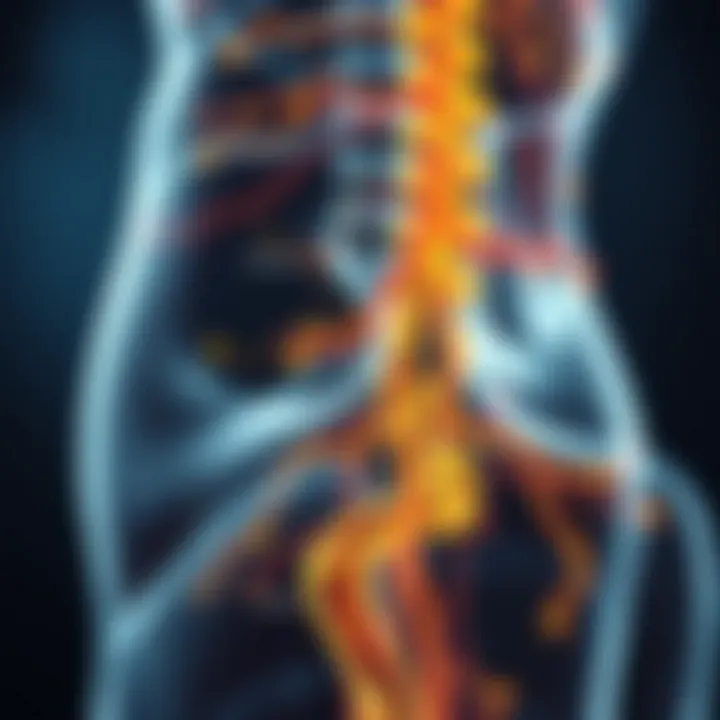
Spastic paraplegia is a multifaceted neurological disorder that predominantly impacts leg function, leading to significant physical challenges and altered life experiences for those affected. At its core, spastic paraplegia manifests as weakness and increased stiffness in the lower limbs, fundamentally altering motor control and mobility. Those coping with this condition often navigate a maze of clinical symptoms, diagnostic hurdles, and management strategies in their pursuit of understanding and treatment.
The skeletal framework of this article will dissect the various dimensions surrounding spastic paraplegia, starting from its clinical signs, to the underlying mechanisms and diagnostic methodologies. Not only will we unearth the latest therapeutic strategies and research advancements, but we will also draw upon historical contexts to help contextualize our current understanding. The discussion is directed towards professionals, students, researchers, and interested readers alike, aiming for clarity and depth in a subject matter often shrouded in complexity.
This exploration into spastic paraplegia won't be surface-level; we will strive to illuminate all aspects of the condition, fostering insights and potentially sparking conversations about future research and treatment avenues.
As we move through the research methodologies used in our examination, we will see how clinical data and studies shed light on the struggles faced by individuals with spastic paraplegia. We aim to pave the way for a better comprehension and enhance the welfare of those living with this condition, through rich discussions and interpretations.
Prelude to Spastic Paraplegia
Understanding spastic paraplegia is crucial for students, researchers, and healthcare professionals. This neurological condition not only affects individuals on a physical level but also imposes a range of social and psychological challenges. By grasping the intricacies of this disorder, one can appreciate its impact on life experiences and quality of life.
Spastic paraplegia leads to significant disability, affecting mobility and independence. The discussion surrounding this condition is rich with interdisciplinary insights, from genetics to rehabilitation strategies. It is essential to recognize that these discussions are not merely academic exercises but have real implications for those affected.
Definition and Overview
Spastic paraplegia refers specifically to a group of disorders characterized by increased muscle tone and weakness in the legs. This condition arises from the damage to the upper motor neurons, which play an essential role in sending signals from the brain to the spinal cord controlling voluntary movements. Individuals diagnosed with spastic paraplegia often exhibit a range of symptoms, such as difficulty walking, stiffness in the legs, and potential issues with bladder control.
The variability in symptoms can be startling, with some individuals experiencing only mild discomfort while others may struggle significantly. There are various forms, often classified into hereditary and non-hereditary types, providing a framework for understanding how this condition manifests in different populations.
Historical Context
The journey to understanding spastic paraplegia is as rich as the condition itself. Early medical records trace back to Greek and Roman texts, where symptoms resembling spasticity have been noted. The evolution of neurology has contributed greatly to recognizing and interpreting these symptoms through the decades.
In the 19th century, significant strides were made in categorizing movement disorders. Notable physician Jean-Martin Charcot vastly expanded knowledge concerning neurological disorders, and it was through his work that spastic paraplegia began to garner the attention it deserves.
Furthermore, with advancements in genetic research during the late 20th and early 21st centuries, researchers are beginning to identify specific genetic markers associated with different forms of the disease. This has not only enhanced diagnostic capabilities but also laid the groundwork for potential therapeutic advances.
As we learn more about spastic paraplegia, we improve the lives of those affected, fostering a deeper understanding of neurological health that reverberates through communities.
The interplay between history and advancement highlights how knowledge morphs and adapts, reflecting the conditions and societal views of the times. Understanding this context enriches the conversation around spastic paraplegia and emphasizes the importance of continued research and awareness in fostering societal understanding and support.
Clinical Presentation
The clinical presentation of spastic paraplegia provides crucial insights into the condition's impact on affected individuals. Understanding how the symptoms manifest not only helps in the diagnosis but also aids in shaping effective treatment strategies. By identifying various indicators and distinguishing between different types of spastic paraplegia, healthcare providers can tailor their approaches to better meet the needs of each patient. Hence, this section aims to unfold the complexities surrounding the symptoms and classification of this condition, contributing to a deeper overall comprehension.
Symptoms and Signs
Recognizing the symptoms and signs of spastic paraplegia is a key step in the diagnostic process. Primarily, individuals with this condition often experience increased muscle tone, leading to stiffness and spasms. This hypertonia affects the legs, making it difficult to walk or maintain balance. Some common signs include:
- Spasticity: Muscle stiffness that may result in an awkward gait or difficulty in movements.
- Weakness: Reduced strength in the lower limbs, which might manifest as difficulty in lifting the legs or climbing stairs.
- Loss of Coordination: Affected individuals often struggle with balance, leading to frequent stumbling.
- Reflex Changes: Exaggerated reflexes can occur, which makes normal movements feel jerky.
It's vital to note that the severity of these symptoms can range from mild to profound and often progresses over time. Early identification of these signs is crucial as it can lead to more effective interventions, which can significantly improve overall quality of life.
Differentiating Types of Spastic Paraplegia
Not all cases of spastic paraplegia are created equal. The condition can be categorically divided into idiopathic and hereditary types, each with its own characteristics and implications. Understanding these differences helps medical practitioners choose the most suitable diagnostic and treatment options:
- Idiopathic Spastic Paraplegia: This type arises without an identifiable cause. Patients may demonstrate a wide range of symptoms and responses to therapy, making personalized healthcare crucial.
- Hereditary Spastic Paraplegia (HSP): This form typically has a genetic basis, and several subtypes exist based on the specific genetic mutations involved. Here, the symptoms may present themselves earlier in life and tend to follow a familial pattern.
The differentiation of spastic paraplegia can sometimes resemble the age-old game of "spot the difference" with its subtleties. It’s essential to engage in a detailed clinical assessment, which may involve comprehensive family histories and possibly genetic testing to establish the most accurate diagnosis. Moreover, being aware of these distinctions provides insight into potential treatment outcomes and what patients might expect in their journey with this condition.
"A clear understanding of symptoms and types can pave the road for developing targeted therapies, ultimately enhancing patient outcomes."
By grasping the clinical presentation of spastic paraplegia, practitioners and researchers alike can facilitate enhanced care and support for individuals navigating the challenges posed by this condition.
Pathophysiology of Spastic Paraplegia
Understanding the pathophysiology of spastic paraplegia is crucial in comprehending how this condition affects individuals. This section will delve into the genetic and neurological pathways that contribute to the condition, shedding light on its complex mechanisms. Knowing these underlying causes can lead to better diagnostic and therapeutic approaches, improving the quality of life for those affected by this condition.
Genetic Factors
Genetic factors play a pivotal role in spastic paraplegia, with several genes implicated in its pathogenesis. Among them, the SPG4 gene is one of the most well-researched. Mutations in this gene can lead to difficulties in the proper functioning of motor neurons. The hereditary nature of some forms of spastic paraplegia—specifically, autosomal dominant inheritance—suggests that these genetic mutations can be passed down through families.
Identifying these genetic markers not only helps in diagnosing the form of spastic paraplegia but also in understanding its severity and potential progression. Furthermore, genetic counseling can provide insights for families regarding the risks of passing on these mutations to future generations. Here are a few key genes associated with spastic paraplegia:
- SPG4: The most prevalent gene linked to autosomal dominant spastic paraplegia.
- SPG3A: Associated with autosomal recessive spastic paraplegia, often presenting with earlier onset symptoms.
- SPG11: Another gene that, if mutated, results in more severe forms, often accompanied by cognitive issues.
Neurological Pathways Involved
The neurological pathways responsible for spastic paraplegia primarily involve the corticospinal tract. This tract is crucial for voluntary motor control and relays signals from the brain to the spinal cord, impacting muscle coordination and movement. If the signals from the brain encounter disruptions due to genetic mutations or other factors, it results in the stiff and weak muscles characteristic of spastic paraplegia.
Central to this condition is the hyperactivity of spinal reflex arcs. When the upper motor neurons fail to inhibit these lower motor neuron reflexes, it leads to increased muscle tone, a phenomenon known as spasticity. Understanding the interplay of these pathways can lead to better-targeted treatments, particularly in managing the debilitating symptoms arising from them.
The corticospinal tract is often likened to the expressway for nerve signals; any disruption results in a traffic jam of uncoordinated movement.
Considering these biological underpinnings grants clinicians valuable insight into potential treatment modalities. Approaching therapy from a neurological standpoint truly allows for tailored interventions that can assist patients in managing their condition effectively. Furthermore, advancements in understanding these pathways aid in the development of innovative therapies and interventions.
In summary, the pathophysiology of spastic paraplegia is marked by intricate genetic factors and the involvement of crucial neuronal pathways. These insights not only elucidate the nature of the condition but also pave the way for future research and improved clinical practice.
Diagnosis
Diagnosing spastic paraplegia is a crucial step in understanding and managing this complex condition. A thorough diagnosis involves various approaches that contribute to a comprehensive understanding of the patient's condition, ultimately guiding effective treatment options. The process encompasses clinical evaluations, advanced imaging techniques, and genetic testing, all of which play a vital role in sculpting a complete picture of the individual's neurological health.
Clinical Evaluation
The foundation of any medical diagnosis begins with a detailed clinical evaluation. This step is vital for gathering information about the patient's medical history, physical examination, and the presentation of symptoms. Clinicians generally assess mobility, reflexes, and muscle strength, to identify characteristic patterns that suggest spastic paraplegia. The evaluation often includes some insightful tools, such as the Ashworth Scale, that measures muscle tone, offering a clearer picture of spasticity levels.
Patients may also be asked about their symptoms in detail. Questions might involve:
- When did the symptoms first appear?
- Are they getting worse?
- Is there a family history of neurological disorders?
This structured approach not only helps to confirm the diagnosis but also aids in excluding other conditions that might present similar symptoms, such as multiple sclerosis or amyotrophic lateral sclerosis. Getting this right is key, as wrong diagnoses can lead to ineffective treatments. Hence, a meticulous clinical evaluation is the backbone of the diagnostic process.
Imaging Techniques
Once a clinical evaluation suggests spastic paraplegia, imaging techniques further illuminate the path. Magnetic Resonance Imaging (MRI) and Computed Tomography (CT) scans are powerful tools to visualize the brain and spinal cord. These imaging methods help detect any structural abnormalities or lesions that could contribute to the symptoms.
For instance, an MRI can reveal whether there are demyelinating lesions or spinal canal stenosis that may be causing secondary symptoms. It's a bit like looking under the hood of a car; any identified issues can provide significant clues for treatment planning.
The benefits of using imaging techniques are manifold:
- Accuracy in diagnosis: They eliminate guesswork and provide concrete evidence.
- Guiding treatment options: Based on findings, healthcare providers can tailor interventions specifically to the patient’s needs.
It's worth noting that while imaging can be quite revealing, it does have limitations. There are instances where imaging shows normal results, even in patients with spastic paraplegia, underscoring the necessity of a comprehensive evaluation process.
Genetic Testing
With advancements in technology, genetic testing has emerged as a pivotal component of diagnosing spastic paraplegia. Many types of spastic paraplegia have a genetic basis, meaning they arise from mutations in specific genes. Performing genetic testing can help identify these mutations, confirming a diagnosis that a clinical evaluation alone might miss.
Furthermore, genetic testing offers additional insights:
- Understanding inheritance patterns: This can be invaluable for family planning, helping to inform other family members of potential risks.
- Tailored treatment options: Recognizing specific gene mutations can lead to targeted therapies that may be more effective for certain patients.
Some commonly tested genes for spastic paraplegia include SPG4, which is often associated with the more common hereditary spastic paraplegia. In this way, genetic testing becomes an essential piece of the diagnostic puzzle, enabling a clearer picture of the condition and assisting in eventual management.
In summary, the diagnosis of spastic paraplegia extends beyond mere observation of symptoms. By leveraging clinical evaluations, imaging techniques, and genetic insights, a nuanced understanding emerges that ultimately enhances patient care and treatment planning.
By fortifying the diagnostic framework, clinicians can pave the way for more effective management strategies, ensuring individuals with spastic paraplegia receive the precise care they need.
Treatment Approaches
Understanding the various treatment options available for spastic paraplegia is critical for improving the quality of life for individuals affected by this condition. Treatment approaches encompass a blend of physical therapies, medications, and occasionally surgical interventions. The goal is not just to manage symptoms but to enhance mobility, independence, and overall functionality. Each strategy tends to have its own set of benefits and considerations that clinicians and patients must weigh carefully. Given the complex nature of spastic paraplegia, an integrated plan tailored to the individual’s needs is often the most effective.
Physical Therapy and Rehabilitation
Physical therapy and rehabilitation play a pivotal role in managing spastic paraplegia. These interventions aim to reduce stiffness and improve strength, balance, and coordination. Typically, a trained physiotherapist develops a personalized exercise program that suits the patient’s specific condition and capabilities.
Key components of physical therapy may include:
- Stretching exercises: These help alleviate muscle tightness and improve range of motion.
- Strengthening exercises: Target specific muscle groups to enhance overall functionality.
- Gait training: Focused on improving walking patterns and increasing mobility.
A common approach in therapy is constraint-induced movement therapy (CIMT), which encourages the use of the affected limb by restricting the more functional limb. This technique helps bolster neurological pathways and enhances motor function.
In addition to standard physical therapies, incorporating adaptive equipment—like orthoses or mobility aids—can significantly ease the burden of daily activities. Rehabilitation isn’t a one-off task; it requires ongoing support and adjustments tailored to the changing needs of the individual as they progress.
Pharmacological Interventions
Medications form another cornerstone of treatment for spastic paraplegia, often used to manage spasticity and related symptoms. The types of pharmacological interventions vary widely, depending on the severity and specifics of the individual's condition.
Common classes of medications include:
- Muscle relaxants: Medications like baclofen and tizanidine help in reducing muscle stiffness and spasms.
- Botulinum toxin injections: These are utilized for localized spasticity and can provide significant relief by reducing muscle overactivity.
- Anticonvulsants: Certain anticonvulsant drugs may also be effective in managing symptoms related to spasticity.
While medications can be quite beneficial, they also come with potential side effects, such as fatigue or weakness. It is vital for healthcare providers to monitor and adjust dosages meticulously to find a balance that mitigates discomfort without compromising overall muscle strength.
Surgical Options
Surgical intervention is generally considered when conservative treatments do not sufficiently alleviate symptoms or improve functionality. Various surgical options exist, tailored to specific needs of patients.
Common surgical procedures include:
- Selective dorsal rhizotomy (SDR): This procedure involves cutting specific sensory nerve roots to reduce spasticity. Suitable candidates often demonstrate limited success with non-surgical interventions.
- Tendon release: In cases where muscle tightness severely restricts mobility, releasing tight tendons can aid in improving movement ranges significantly.
- Intrathecal baclofen pumps: For certain patients, surgically implanting a device that delivers baclofen directly to the spinal fluid might provide a more targeted approach to managing spasticity.
Each surgical option carries its risks, including infection and complications related to anesthesia, so thorough discussions with multidisciplinary medical teams are essential.
In summary, addressing spastic paraplegia requires a multi-faceted treatment approach.
An integrated approach, combining physical therapy, medications, and possibly surgical options, offers patients a comprehensive pathway to manage symptoms and enhance life quality. Ongoing monitoring and adjustments are key to ensuring optimal outcomes as the individual's condition evolves.
Impact on Daily Life
The way spastic paraplegia shapes everyday existence for individuals cannot be overstated. Its presence ripples across various facets of life, influencing not just physical capabilities but also emotional well-being and social interaction. Navigating the world with a condition that brings about muscle stiffness and mobility challenges can generate significant hurdles that are both visible and introspective.
Socioeconomic Implications
The socioeconomic implications of spastic paraplegia are multifold. Individuals often face barriers that can limit access to education, employment, and independent living. Consider the job market; many roles demand physical mobility or quick motor responses, which can present a daunting challenge to someone with this condition. Adaptations, such as specialized equipment or flexible work arrangements, may be necessary but not always available. This leads to potential underemployment or job loss, affecting financial stability.
- Healthcare Costs: The ongoing need for therapies, medical supplies, and potential surgeries adds to the financial burden families face, sometimes leading to crippling debt.
- Accessibility Issues: Public places often do not accommodate those who have mobility limitations. This can marginalize individuals further, making participation in society a challenging endeavor.
- Social Services: Government support varies significantly by region, leading to disparities in access to critical services that assist in daily living.
There is a wider economic impact as well; when individuals with disabilities are underemployed or unemployed, society misses out on their contributions. In essence, fostering an inclusive environment can benefit not only the individuals but the community at large economically.
Emotional and Psychological Aspects
Beyond the tangible implications, emotional struggles loom large for those diagnosed with spastic paraplegia. The daily reminders of physical limitations can impact self-esteem and lead to feelings of frustration. Moreover, societal stigma can further exacerbate feelings of isolation or depression. People may grapple with:
- Identity Issues: Coming to terms with a disability can challenge one’s self-perception and sense of normalcy.
- Anxiety and Depression: The uncertainty of health and societal acceptance can lead to heightened anxiety levels. Being unable to engage fully in social or recreational activities can also encourage a sense of hopelessness.
- Support Systems: Emotional support from family or support groups can significantly influence mental health outcomes, helping individuals cope better with their circumstances.
Importantly, addressing these psychological factors can lead to improved quality of life. Opening dialogues within communities about these emotional aspects can promote understanding and inclusiveness.
Support Systems and Resources
Establishing a robust support system can be a game-changer for individuals adapting to life with spastic paraplegia. Various forms of assistance provide the necessary bolster for navigating everyday challenges.
- Community Support Groups: Local organizations often provide platforms for individuals to connect, share their experiences, and gain emotional fortitude.
- Educational Resources: Information from websites like Spastic Paraplegia Foundation or National Institutes of Health can equip families with knowledge on managing symptoms and connecting with healthcare providers.
- Accessibility Programs: Some regions offer grants for home modifications to improve accessibility, which can empower individuals to live more independently.
- Therapeutic Services: Counseling or therapy directed at emotional resilience can help individuals navigate complex feelings around their condition and societal perceptions.
"Support is not just about words but creating a community that understands the silence and the struggle behind each challenge."
In summary, understanding spastic paraplegia involves not just recognizing its physical ramifications but delving into the broader spectrum of its impact on daily living. By addressing socioeconomic, emotional, and resource-based challenges, we can work towards a more inclusive society, where individuals can thrive regardless of their mobility limitations.
Recent Research and Advancement


Recent developments in the field of spastic paraplegia have illuminated various avenues for enhancing our understanding and treatment of this neurological condition. With the complexity of its pathophysiology, recent research not only aims to unravel the nuances behind spastic paraplegia but also focuses on improving the quality of life for those affected. Such advancements are crucial as they pave the way for innovative treatment possibilities and inform clinical practices. Here, we will delve into two notable areas: innovative therapies and ongoing clinical trials.
Innovative Therapies
One of the most revolutionary aspects of current research on spastic paraplegia is the exploration of innovative therapies. These therapies are different from the traditional methods that have been used over the years, focusing heavily on rehabilitation and skill-building. Now, the approach is shifting toward enhancing recovery through targeted interventions.
- Neuroplasticity-Based Techniques: Recent studies highlight techniques that promote neuroplasticity—essentially the brain's ability to reorganize itself. Strategies like constraint-induced movement therapy are being tailored for individuals with spastic paraplegia, encouraging the use of affected limbs through repetition and practice.
- Robotic-Assisted Devices: Robotics is stepping up in rehabilitation. Devices designed to assist with gait can lead to improvements in mobility and independence. According to recent findings, patients using exoskeleton technology have shown increased engagement in physical therapy sessions, largely leaving behind the traditional static rehabilitation processes.
- Stem Cell Research: Research using stem cells has also gained traction. Preliminary studies suggest that stem cell therapy could potentially repair damaged neural pathways, although much is still being studied in this domain. The idea is to harness the regenerative capabilities of these cells, which could one day offer monumental improvements to mobility and functionality.
"Innovative therapies are changing the landscape of spastic paraplegia treatment, offering hope where traditional methods may not have succeeded."
Ongoing Clinical Trials
The advancements in innovative therapies are mirrored by ongoing clinical trials that seek to validate these methods. Clinical trials not only provide essential data but also offer hope for those affected by spastic paraplegia. They represent a bridge between laboratory research and practical application.
- Trial Phases: Most clinical trials progress through phases, starting with small groups to assess safety and moving to larger groups for efficacy. Understanding these phases can help patients know what to expect if they participate.
- Multidisciplinary Approaches: Many trials now utilize multidisciplinary teams. Researchers can combine insights from neurology, physiotherapy, and even psychology to create comprehensive treatment plans tailored to individual needs.
- International Collaborations: Studies are often conducted internationally, pooling resources and knowledge to enhance the validity of findings. For instance, collaborations between institutions like the National Institutes of Health and various universities have shown promising results in recent studies, particularly focusing on genetic interventions.
- Importance of Patient Input: Participants in trials often provide feedback that directly influences ongoing research. Their firsthand experiences ensure that researchers can adapt trials to look for things that may not have been anticipated, improving the overall relevance of the research.
In summary, recent research and advancements in spastic paraplegia hold profound implications for the future. The exploration of innovative therapies combined with ongoing clinical trials creates a dynamic environment where hope thrives. As researchers build upon these findings, there is a growing optimism that more effective treatments will empower individuals to navigate their daily lives with greater ease and less impediment.
Future Directions
Understanding spastic paraplegia is akin to navigating a complex maze, where every corridor offers insights into the condition's many facets. The importance of exploring future directions is not just an academic exercise; it delves into the realms of potential breakthroughs that could profoundly impact those affected by spastic paraplegia. Concentrating on emerging research trends and advancements in genetic studies lays the groundwork for a more nuanced understanding of the condition, potentially guiding treatment strategies that improve patient outcomes.
Benefits of Focusing on Future Directions:
- Enhancements in Treatment Protocols: Developing a clear focus on future directions assists researchers in refining current treatment methodologies, integrating new findings into clinical practice.
- Informing Policy and Funding: As promising avenues of research emerge, they can shape funding priorities and policy decisions, ensuring that resources are allocated to areas with the greatest potential for innovation.
- Guiding Patient Education: Keeping abreast of the latest research trends can inform educational initiatives, empowering patients and families with the knowledge they need to make informed choices regarding treatment and lifestyle adjustments.
"Investing in future research is tantamount to investing in hope—for patients, families, and for advancing science."
The future of spastic paraplegia research is bright, thanks to a concerted effort by scientists, clinicians, and advocates who are committed to unraveling the complexities of this condition. Addressing the multitude of challenges in understanding and treating spastic paraplegia requires a multifaceted approach that incorporates various scientific disciplines.
Emerging Research Trends
In recent years, emerging research trends in spastic paraplegia have begun to shape the landscape of understanding this condition. One notable area is the exploration of neuroplasticity—the brain's ability to reorganize itself by forming new neural connections. This research is crucial since it opens pathways for rehabilitation techniques that were previously thought unlikely to have lasting effects. Studies show that rehabilitation efforts targeted at enhancing neural plasticity can provide significant improvements in motor function and overall mobility.
Another area gaining traction is the use of biomarkers to monitor disease progression more effectively. These are measurable indicators that could provide insights into the underlying mechanisms of spastic paraplegia, helping to tailor treatment approaches based on individual patient profiles. The integration of biomarkers into clinical practice could lead to personalized treatment plans that maximize efficacy and minimize adverse effects.
Moreover, the incorporation of telemedicine into patient care is becoming more prominent. With the rise of digital health platforms, patients can now receive timely updates and consultations from specialists, regardless of geographic barriers. This trend not only improves access to care but also ensures that patients are continuously engaged in their treatment journey.
Advancements in Genetic Research
Genetic research has opened new doors to understanding spastic paraplegia's etiology. Recent studies have identified several genetic mutations linked to the condition, shedding light on the molecular mechanisms that contribute to its development. For instance, specific mutations in the SPAST gene have been closely associated with autosomal dominant spastic paraplegia. Knowledge of these genetic underpinnings can pave the way for early interventions that might prevent or mitigate symptoms before they become more debilitating.
Furthermore, advancements in genome editing technologies, such as CRISPR-Cas9, are beginning to be explored in therapeutic contexts. This technology has the potential to correct genetic abnormalities at the source, offering hope for more effective treatments in the future.
In addition, collaborative efforts among geneticists and neurologists are creating a more holistic understanding of how genetics and environmental factors interact to influence spastic paraplegia. These insights could lead to recommendations for lifestyle changes that may positively impact individuals at risk.
Overall, diving into future research trends and advancements in genetic studies offers promising avenues for those affected by spastic paraplegia, fueling optimism for improved treatments and better quality of life. As researchers continue to peel back the layers of this condition, there is a palpable sense that the pieces of the puzzle are beginning to fall into place.
Finale
The conclusion of this article serves as an essential component, synthesizing the critical findings regarding spastic paraplegia and reiterating the significance of understanding this complex neurological condition. Given the multifaceted nature of spastic paraplegia, it's vital to highlight not just its clinical features but also the psychological and emotional impacts on those affected. Acknowledging these diverse aspects fosters a holistic view, encouraging a more compassionate approach within both the medical community and society at large.
Spastic paraplegia is not merely a clinical diagnosis; it carries profound implications for daily life and overall wellbeing. Individuals faced with this condition often experience a challenging journey, marked by physical limitations yet enriched by resilience and adaptability. Understanding these nuances enriches our dialogue about the condition, encouraging greater awareness, ongoing support, and advocacy for improved treatment options.
Summary of Findings
Throughout our exploration, we uncovered several key elements related to spastic paraplegia:
- Clinical Presentation: The hallmark symptoms of weakness and stiffness in the legs stem from complex neurological factors.
- Genetic and Physiological Underpinnings: Investigating genetic mutations and neural pathways provides a clearer understanding of the etiology of the condition.
- Diagnosis: Employing a combination of clinical evaluations, imaging, and genetic testing reveals the intricate steps necessary for accurate diagnosis.
- Treatment Approaches: From innovative physical therapy to surgical interventions, the treatment landscape is ever-evolving, focusing on enhancing quality of life.
- Impact on Life: Socioeconomic and emotional ramifications are significant, requiring robust support systems to aid individuals and families.
- Research and Future Directions: Current advancements and emerging trends highlight ongoing efforts to deepen our understanding and improve treatments for spastic paraplegia.
The importance of these findings cannot be overstated. They not only form the backbone of knowledge for students and researchers but also nurture an empathetic dialogue on care and support.
Final Thoughts
As we conclude, it becomes clear that understanding spastic paraplegia involves a blend of medical insight and human experience. The unique journey of each individual affected by this condition demands our attention and respect. As researchers and professionals in the field continue to push the boundaries of knowledge, it is essential to remain mindful of the real-life implications of their findings.
We must encourage a collaborative approach to treatment, involving clinicians, patients, and caregivers, which holds the promise of fostering a more inclusive environment both in healthcare settings and beyond. By doing so, we take strides toward not just comprehending the complexities of spastic paraplegia but also enhancing the lives of those who navigate it every day. Understanding the intersection of clinical findings, emotional health, and the ongoing quest for better treatment options is the cornerstone upon which progress will be built.
"The journey of understanding is never-ending but essential in the quest for improved lives."
For more in-depth studies and updates, exploring relevant resources such as National Institute of Neurological Disorders and Stroke (NINDS) and scholarly articles on PubMed may provide valuable insights.